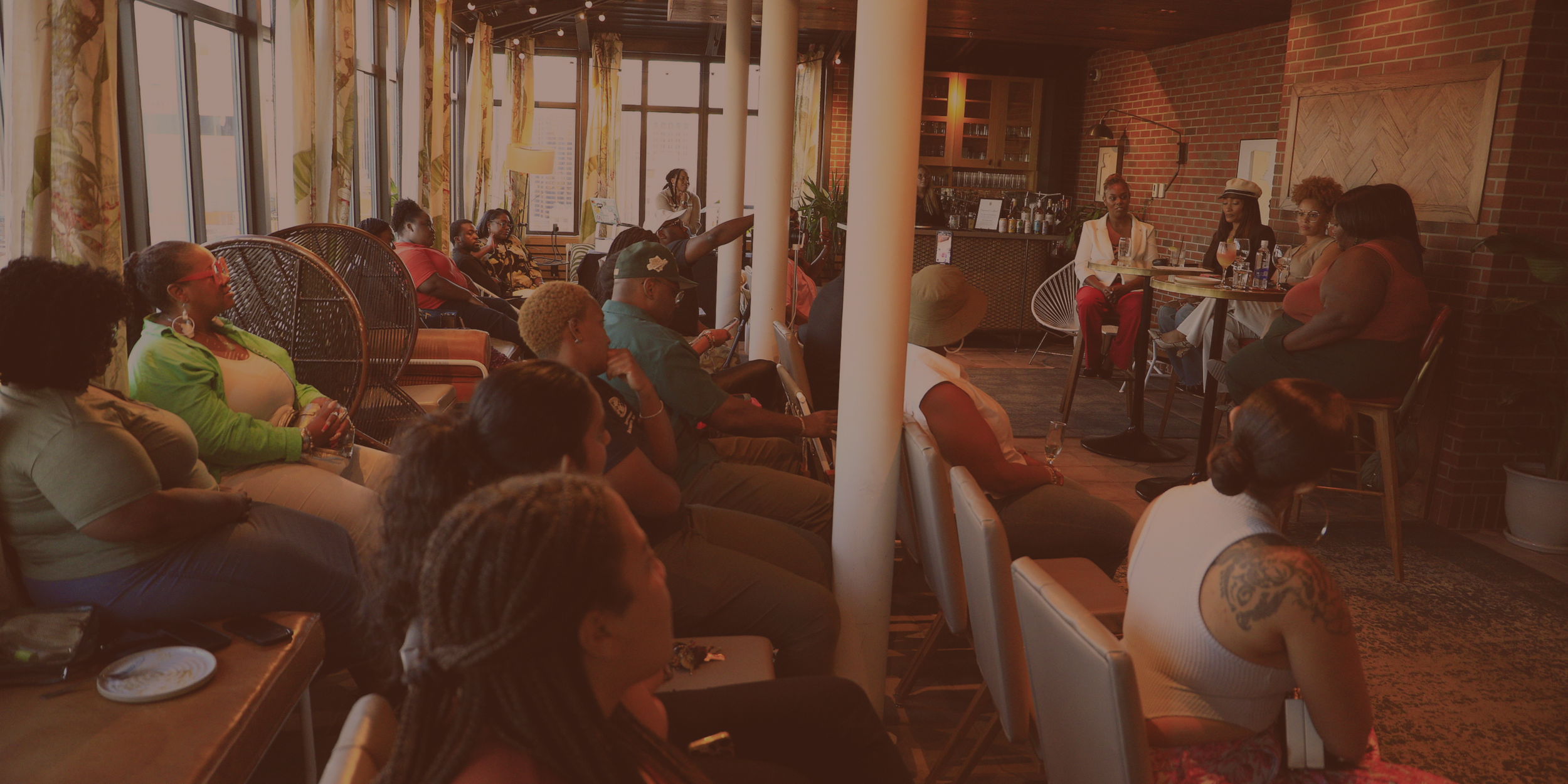
What is The Remedy?
The Remedy is a platform dedicated to mental, emotional, and communal well-being. Through counseling, workshops, speaking engagements, community conversations, and creative storytelling, The Remedy creates opportunities for people to better understand themselves, strengthen their relationships, and engage more intentionally with the world around them.
Grounded in the belief that healing and growth happen both individually and collectively, The Remedy explores the questions, challenges, and experiences that shape our lives. Its work centers topics such as anxiety, depression, purpose, burnout, identity, relationships, rest, resilience, and the pursuit of meaningful living. Whether through therapeutic education, facilitated dialogue, or reflective storytelling, each offering is designed to encourage greater self-awareness, connection, and personal growth.
The Remedy creates spaces where curiosity is welcomed, complexity is honored, and people are invited to engage with themselves and one another with openness and care. Rather than providing simple answers, it encourages deeper reflection, expanded perspective, and meaningful conversation about the realities of being human.
At its core, The Remedy exists to help individuals, organizations, and communities cultivate lives that are more connected, intentional, and fulfilling. By bringing together mental health, personal development, and community engagement, The Remedy seeks to support not only individual well-being, but the health and vitality of the communities people call home.
The Remedy is rooted in a simple belief: when people are given the space to reflect, learn, connect, and grow, healing becomes possible and meaningful change can follow.